Summary
Personal Information
Crime
Voyage
Transportation
John Baughan was transported on the Friendship, departing 13th May 1787 and arriving 21st Jan 1788 with 107 passengers.
This convict ship, being 274 tons and 75 feet long was one of the light weight ships in the fllet and was skippered by Master Francis Walton. Built in Scarborough in 1784, she carried 76 male and 21 female convicts. During her return voyage to England her crew came down with scurvy and with insufficient crew to man her, she was scuttled in the straights of Macassar. The survivors were transferred to the Alexander.
 Friendship
References
| Primary Source | http://srwww.records.nsw.gov.au http://en.wikipedia.org |
Claims
No one has claimed John Baughan yet.
Photos
No photos have been added for John Baughan.
Convict Notes

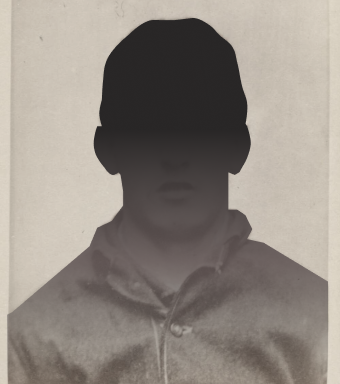
John Baughan, carpenter, was convicted at Oxford, England, in 1783 as Baffen (alias Bingham and Baughan), and sentenced to be transported for seven years for stealing five blankets. He was in the Mercury bound for America in 1784 when she was seized by the convicts off Torbay; he was recaptured and held at Plymouth until transferred to the First Fleet transport Friendship. On 17 February 1788 he married Mary Cleaver who had been convicted at Bristol in 1786. In 1791 he was granted fifty acres (20 ha) near Parramatta but did not settle there. In March 1794 the grinding mill which Baughan had erected in Sydney commenced operations; with nine men working its capstan bar, it ran so smoothly that sixty-three pounds (29 kg) of wheat were ground in seventeen minutes. James Wilkinson's mill near by, powered by six men who walked inside a massive wheel, commenced operations a month later; it was soon abandoned and Baughan was commissioned to replace it by another of his own design. In recognition of his achievements as carpenter and millwright, Baughan was granted a small lease near Dawes Point. Here he erected and furnished 'a neat cottage', later acquired by Robert Campbell, and established an attractive garden. On 4 February 1796, overhearing himself being abused by a sentinel who apparently bore him an ancient grudge, Baughan slipped out of his workshop, collected his traducer's arms from his deserted post and handed them to the guard. The sentinel was immediately arrested. Next morning, as an act of reprisal, Baughan's cottage was stormed and extensively damaged by a military rabble. He and his wife 'suffered much personal outrage'. Governor John Hunter expressed himself so forcibly about this 'daring violation of the public peace' that the offenders, through Captain John Macarthur, expressed 'their sincere concern for what had happened' and agreed to indemnify the sufferer. Although David Collins remarked on Baughan's 'sullen and vindictive disposition', he considered him 'an ingenious man'. He constructed efficient mills and neat dwellings and, until his death on 25 September 1797, officiated as foreman of carpenters in Sydne