
Summary
Personal Information
Crime
Voyage
Transportation
John Hulme was transported on the Blundell, departing 13th Mar 1844 and arriving 12th Jul 1844 with 210 passengers.
 Blundell (generic)
References
| Primary Source | Australian Joint Copying Project. Microfilm Roll 91, Class and Piece Number HO11/14, Page Number 25 (14) National Archives (Great Britain). Trade Unionism. http://www.nationalarchives.gov.uk/pathways/citizenship/struggle_democracy/trade_unionism.htm The Following Newspapers contained articles on the Ashton Murders: The Northern star and Leeds General Advertiser - 19 December 1840, 6 February 1841, 27 March 1841, 10 April 1841, 17 April 1841, The Morning Chronicle - London |
| Source Description | This record is one of the entries in the British convict transportation registers 1787-1867 database compiled by State Library of Queensland from British Home Office (HO) records which are available on microfilm as part of the Australian Joint Copying Pro |
| Original Source | Great Britain. Home Office |
| Compiled By | State Library of Queensland |
| Database Source | British convict transportation registers 1787-1867 database |
Claims
No one has claimed John Hulme yet.
Photos
No photos have been added for John Hulme.
Convict Notes

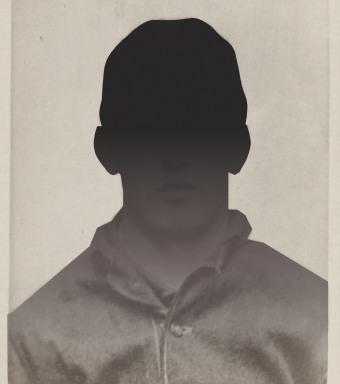
In 1843 this notice appeared in the London paper. SOUTH LANCASHIRE ASSIZES. AUGUST 25, 1843 John Hulme, alias Cast-metal Jack, was indicted for the wilful murder of Thomas Garland, on the road between Ashton and Manchester, on the 31st of October, 1840. The circumstances of the murder are still fresh in the recollection of most readers. There had been a turn-out* of sawyers, and Garland and three others, who were working there as knobsticks**, were returning to Manchester (it being Saturday evening), when about half a mile from the new church, four men rushed from behind a cart going the opposite way, and which had concealed them, and attacked Garland and the others with bludgeons and rods of iron. Garland received a head wounds and a cut of the thumb, which became gangrenous and produced lock-jaw. Death ensued. Evidence affecting the prisoner (John Hulme) did not come out that he was one of the men till subsequent to a second murder by the turn-outs. After the trial for the murder of Benjamin Cooper, Hulme had gone to America. He returned from America only a few months since. The jury, after an absence of ten minutes only, returned a verdict of Manslaughter. His Lordship, addressing the prisoner, said: The jury had acquitted him of murder, but had found him guilty of manslaughter under very aggravated circumstances, which morally as well as legally left his offence but one step short of murder. The injury he had done was not the result of sudden heat of blood or quarrel, but of a deliberate determination to commit violence, for the purpose of preventing others working for the wages they chose to work for. Every man in England had a right to work for whom he would, and any attempt to prevent it was not only illegal, but an attempt to exercise an odious tyranny, utterly intolerable in a free country like this. The safety of society requires that an example be made in your case, and the sentence of the court is, that you be transported for the term of your natural life. *turn-out is a term used for a Union meeting **knobstick is another name for a non union labourer as is blackleg & scab.