
Summary
Personal Information
Voyage
Transportation
Edward Knox was transported on the Larkins, departing 10th Aug 1829 and arriving 22nd Dec 1829 with 202 passengers.
1829 Voyage - Ship; Larkins, Captain Campbell, from Cork the 10th August, with 195 male prisoners. A Surgeon Superintendent, P. Sprout, Esquire. Arrived; 22 December 1829. Recapitulation; Mustered; 196. Died on Voyage; 3. Disembarked; 1. Total; 200
 Larkins (generic)
References
| Primary Source | Irish Convict Database by Peter Mayberry. |
Claims
No one has claimed Edward Knox yet.
Photos
No photos have been added for Edward Knox.
Convict Notes

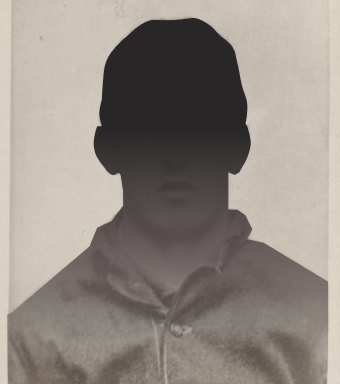
Edward Knox, Alexander Laing, and Matthew Dennett, soldiers of the 70th Regt., stood indicted for stealing a writing desk, two gold seals, gold broach, and 10s. the property of Lieut. Edward Kirwm. _ Lieut. Kirwin identified the prisoners. Is a Lieutenant in the 70th Regt., and had been stationed in Cork since September last. The articles enumerated which he now identified as his property, were stolen from him in Sept. John Lamby, soldier of the 70th Regt. examined— Knows nothing the writing desk.—With regard the other articles he received two seals, and a broach from Edward Knox, the prisoner, on the Bth Sept about two o’clock he went to Knox, who having induced him to pawn them he went to Mr. Lynch’s in Maypole-road, and pledged the seal and broach ; the other seal he would not pawn, it having on it the initials of the owner. Witness and Knox then drank together ; Knox took the initialed seal to a Pawn-office in the North Main street ; when he came out he (Knox) was taken into custody; at eight o’clock that evening witness was also apprehended. Witness swore information against Knox. In the cross-examination of this witness, Mr. Howard elicited from him that he had been originally a weaver in his native country (Scotland), and had taken up the profession of a strolling player before he became a soldier—had been a servant to prosecutor ; did not at first either examine or recognize the articles ; suspected they were stolen, but until he came into town, he did not discover the initialed seal. Catherine Desmond sworn—ldentified the three prisoners—Witness and three other girls were in company with them at eleven o’clock on the night of the robbery. It here announced that one the Jury had been suddenly seized with illness. The Court evinced much anxiety for the gentleman, who retired for a quarter of an of an hour and returned, when the case was resumed.] Witness and the whole party retired to field in in the rere the Barrack Court I must say, for the credit of the Regiment they ought not to have thrown the whole of this very important case on me. They should have engaged a Counsel and Attorney. Witness—Knox, who was stupidly drunk, handed a coat, which apparently contained a desk, Laing, who went over a wall with it, but what did with it, she could not state. Mary Kennedy, also a girl of the town, proved having gone into a field in company with the three prisoners, and three other girls—witness got two rings from Laing—she hid them in a ditch; she did so in consequence of Laing having told her to be careful, he would not wish to have them discovered. The rings produced were those given to witness by Laing. This witness evinced the most hardened depravity, when questioned as to her course of life. Lieut. Kirwan re-called. The Court again complained that the Colonel of the Regiment should not consider the case of that importance to call for his interference, and the engagement of Counsel .... Southern Reporter, 31 March 1829. Andrew Laing was transported on the same ship, Dennett was acquitted.
Irish Convict Database by Peter Mayberry. Edward Knox, age on arrival, 23, per Larkins (2) 1829, Tried at Cork, 1829, 7 years, for Stealing seals. DOB, 1806, native place, Paisley, Scotland. Single. Protestant. Trade, Soldier officers servant silk weaver. Remarks: Norfolk Island.