Summary
Personal Information
Crime
Voyage
Transportation
George Smith was transported on the Equestrian, departing 27th Aug 1852 and arriving 16th Dec 1852 with 295 passengers.
Built 1842 at Hull. Wood ship of 801 Tons.
 Equestrian (generic)
References
| Primary Source | Australian Joint Copying Project. Microfilm Roll 92, Class and Piece Number HO11/17, Page Number 498 |
| Source Description | This record is one of the entries in the British convict transportation registers 1787-1867 database compiled by State Library of Queensland from British Home Office (HO) records which are available on microfilm as part of the Australian Joint Copying Pro |
| Original Source | Great Britain. Home Office |
| Compiled By | State Library of Queensland |
| Database Source | British convict transportation registers 1787-1867 database |
Claims
No one has claimed George Smith yet.
Photos
No photos have been added for George Smith.
Convict Notes

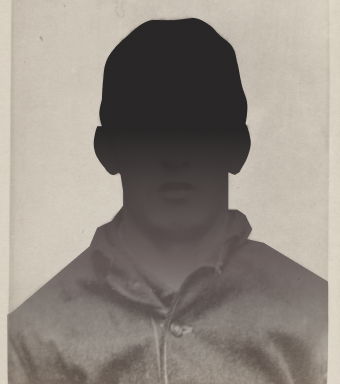
Tasmanian Records Convict Conduct Record: https://libraries.tas.gov.au/Digital/CON33-1-111/CON33-1-111P240 No 26926. George Smith. Tried at Dorchester Ass, 13 March 1850, 7 years. Age 16, Labourer. Religion- C. of E. Can read and write. Native place, London Road, Walworth. Ticket of Leave, 18/10/1853. Indent: https://libraries.tas.gov.au/Digital/CON14-1-46/CON14-1-46P118 George Smith, Tried Dorchester Ass, 13 Mar 1850, 7 years, Transported for Ho. Breaking, stg silver spoons at Wimborne. Pro. Mr Bowles. Labourer. Native place, London Road, Walworth. Relations. B, Edwd; S, M?; Ann, Sarah, at Horsham??? (Difficult to read handwriting)
Burglary- Joseph Feltham, aged 16, and George Smith, aged 14, were indicted for having burglariously broken and entered the Crown Hotel, Wimborne, and stealing therefrom a sovereign, eight silver spoons, one silver watch case, one steel chain, two metal seals and metal watch key, the property of Edward White Bowles. Mr Woodforde Ffooks conducted the prosecution. It appeared from the evidence, that on the night of Saturday the 5th of January, the house was locked up safely, and the property was then in a drawer in the waiter’s room, and on the following morning when the tender-boots came down, the house was found to have been broken open, and the property above mentioned, stolen. The entrance had been effected by breaking a pane of glass in the scullery window, which was then opened. Suspicion fell upon the prisoners, and they were discovered at a public house at Ringwood, by the Inspector of the Hampshire police, who found in their possessionthe stolen property, together with two screw drivers, with one of which the drawers in the waiter’s rooms appeared to have been forced open. The prisoners confessed the crime after being taken into custody. The prisoners were found guilty. It appeared fromt eh statement of the Wimborne constable that the prisoner Feltham, though young in years, was old in crime. He was apprenticed to a man named Gosling, a baker at Wimborne. He was sent to Dorchester Gaol for a month, for breaking into Mr Bowles’s house. He broke into Mr Bowles’s a second time, and was sent to a school in London. He ran away from thence, went down to Wimborne and broke into his master’s shop, and stole therefrom 30s in copper. He then went back to London, where he met with the other prisoner, and then came down to Wimborne, and committed the present robbery. There were two other charges against the prisoners, but they were not pressed. The learned Judge sentenced Feltham to 10 years transportation, and Smith to 7 years’ transportation, observing that with regard to the latter, who was an orphan, it was the most merciful sentence he could pass on him, because he would betaken care of and removed from evil associates, and would have an opportunity of reforming his character for the future. Sherborne Mercury, 19 March 1850. ----------------------------------------------------